
Residential Heating System Installation in Philadelphia
February in this city finds every weak spot in the heating system. Teva HVAC installs and replaces furnaces, boilers and heat pumps in Philadelphia homes, sized to the house and vented the way the code actually requires. You get the full scope in writing, including the parts other quotes leave out.
- Licensed Philadelphia contractor, mechanical permits filed through L&I eCLIPSE
- Gas line, venting and combustion air checked as part of every quote
- Heating load calculated per room, not copied from the old unit
- Combustion and carbon monoxide testing at startup on every install
- Fully insured, with coverage current on file with the city
- 20 years keeping Philadelphia homes warm
Why Do Some Homes Still Feel Cold After Heating System Installation?
Because the furnace was usually never the only problem. A Philadelphia rowhome loses most of its heat through the front and back walls and the roof, while the shared side walls barely lose any. Heat then rises to the top floor and leaves the first floor trailing. Drop a new furnace into that without touching the airflow and you get the same cold rooms, just with a newer badge on the equipment. Add a venting shortcut and you can also inherit a safety problem you cannot see.
Your Trusted Heating and Colling Contractor
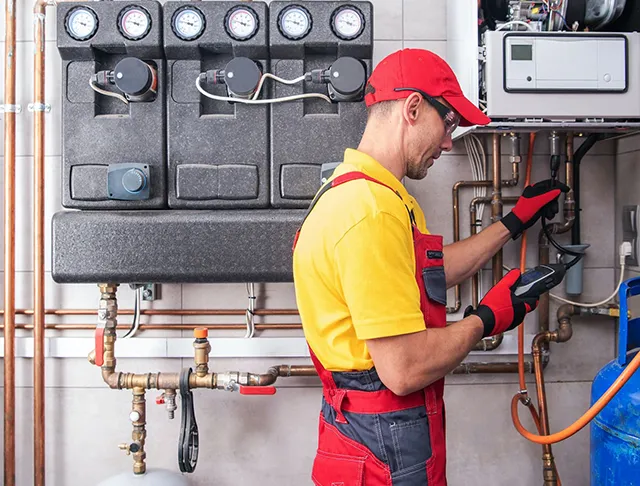
A heating system is the furnace, the gas supply, the venting, the ductwork and the controls working as one. Teva HVAC LLC quotes all five. We calculate the heat loss room by room, then confirm your gas line and vent route can actually carry the equipment being proposed. We test combustion and carbon monoxide levels before we hand the system over. And we tell you upfront if your chimney or water heater needs attention, because that item is the single most common change order homeowners get hit with halfway through a job.
We connect high-tech controls that let you adjust your home temperature from your phone while you are away.
Our team fixes leaky air paths to make sure all the warm air actually reaches your chilly upstairs bedrooms.
We explain heating options clearly, without pressure, confusion, or pushing unnecessary upgrades.
Our Services
HVAC Installation
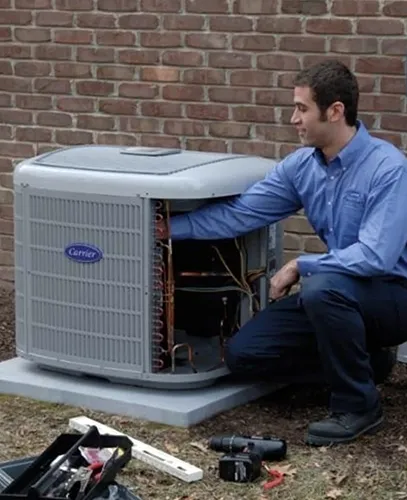
Stop fighting with that clunky old unit. We install modern setups that keep your whole family happy and your bills low.
AC System
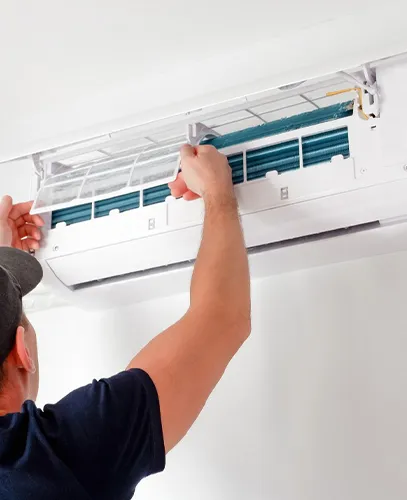
Humidity doesn't stand a chance. We deliver efficient air system installation that makes your living room the coolest place on the block.
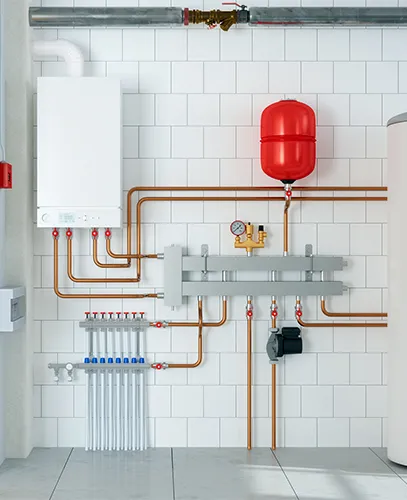
Heating System
No more shivering under three blankets. Our heating solutions ensure steady, even warmth that reaches every single corner of your house.
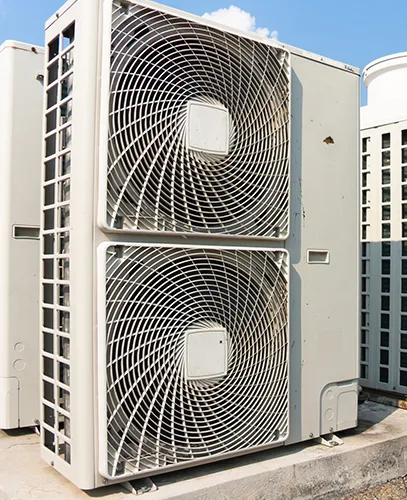
Cooling System
Refresh your space with a system that breathes life into your home. We make sure your cooling is effortless and efficient.
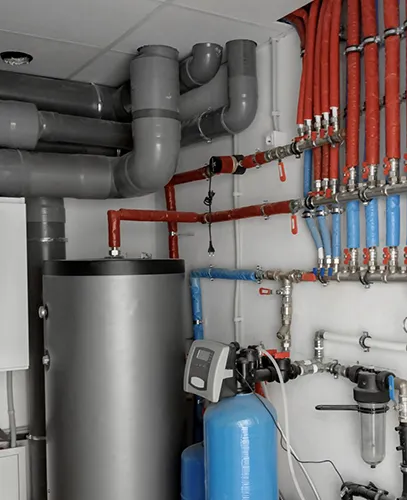
Boiler System
We install boiler systems that warm your home gently, creating steady comfort you can feel throughout cold seasons.
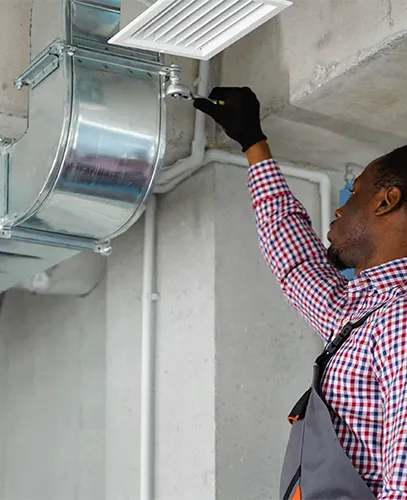
Duct Installation
Hidden behind your walls, good ducts are the secret to fresh air. We design pathways that deliver comfort to every room.
Why Choose Teva HVAC for Your Heating System
Lowering your monthly energy bills starts with our modern & efficient Philadelphia residential heating system installation services.
Whole Scope, Quoted Upfront
Venting, gas line, condensate drain and chimney work are priced before you sign, so nothing turns into a change order once the old unit is out.
Combustion Safety Tested, Not Assumed
We check draft, combustion air and carbon monoxide readings at startup, because a gas appliance that runs is not the same as one that runs safely.
One Itemized Price
Equipment, labor, permit, disposal, startup testing and warranty registration all sit in the figure you approve, with nothing billed afterward.

Furnace, Boiler or Heat Pump: Which Suits a Philadelphia Home?
What you already have in the house narrows this down fast, so start there rather than with the equipment.
If Your Home Has | Usually the Best Route | Why |
|---|---|---|
Ducts and gas service | Gas furnace | Cheapest to run in this city and the simplest swap |
Radiators or baseboard | Replacement boiler | Keeps existing pipework, far cheaper than adding ducts |
Oil, propane or electric baseboard | Heat pump | The strongest savings case, since you leave a costly fuel behind |
No ducts and no radiators | Ductless heating | Avoids opening walls and gives room by room control |
Age matters too, and our guide to how long an HVAC system lasts explains when replacing beats another repair bill.
Ready for a Heating System That Handles a Philadelphia Winter?
What Makes a Gas Heating Installation Safe?
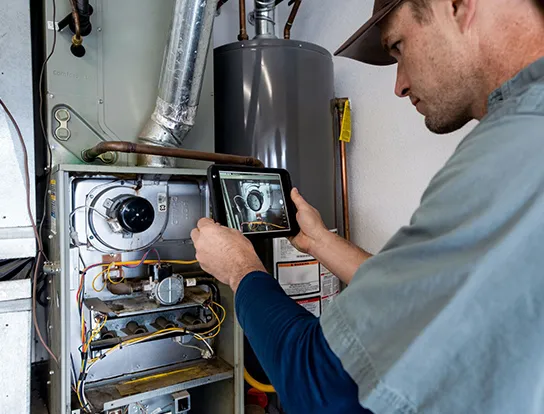
A gas furnace burns fuel inside your house, so the installation has to manage three things: where the combustion air comes from, where the exhaust goes, and whether anything leaks in between. Older Philadelphia basements were built leaky enough to supply air by accident, but once a basement gets insulated and air sealed, a furnace can end up starved and pulling exhaust back down the chimney.
That is called backdrafting, and it is the main way carbon monoxide enters a home. A cracked heat exchanger does the same thing from inside the unit. Both are invisible without instruments, which is why we take combustion readings at startup and recommend detectors on every sleeping floor.
Our Heating Installation Process
We drop by to look at your space and listen to what your family needs.
We measure the house, then confirm the gas line, vent route and combustion air can support the system you need.
You get two or three system choices with running costs attached, and we file the mechanical permit once you pick one.
We install, test combustion and carbon monoxide, balance the airflow, then set up the thermostat with you.
What Will Your New Heating System Cost to Run?
Natural gas remains the cheaper fuel per unit of heat in Philadelphia, which is why gas heating still dominates here and why switching a working gas furnace to a heat pump gives only modest savings. The picture flips completely if you currently heat with oil, propane or electric baseboard, where a heat pump can cut running costs sharply.
Our winters are also milder than most of Pennsylvania, so a cold climate heat pump copes well provided the model is chosen for the temperature, not the price. Whatever you install, annual heating service protects the efficiency you paid for and keeps the parts warranty valid, and a duct installation review is worth doing at the same time.
frequently asked questions
Dust settles on the heat exchanger over the summer and burns off the first few times the furnace fires. It usually clears within an hour or two of running and is harmless. What is not normal is a sharp chemical smell, a smell of rotten eggs, or any burning smell that returns days later. Rotten eggs means a gas leak, so leave the house and call the gas utility before anyone else.
A basic single stage furnace usually works with an older thermostat. Two stage and variable speed systems do not, because they need a thermostat that can call for partial heat rather than just on and off. Fitting a new high efficiency furnace to an incompatible thermostat makes it run at full output permanently, so you pay for the technology and never get the benefit. Any dual fuel setup also needs controls that decide when to switch fuels.
Sometimes, and it gets missed often. The pipe has to carry enough gas for every appliance running at once, not just the furnace. Older homes were often piped for a small furnace and a water heater, so adding a larger unit or a second appliance can leave the line undersized. The symptom is a furnace that struggles or nuisance trips on cold nights. We size the gas load at the survey stage so the pipe is part of the quote.
If the system is past 20 years or has a known fault, buyers will usually ask for a credit larger than the repair would cost you. A documented, permitted replacement removes that negotiation and shows up favorably in the inspection report. If the system is under 15 years and working, servicing it and keeping the paperwork is normally the better use of money.
